Introduction
Living in Arizona comes with its perks—sunny days, stunning landscapes, and a vibrant community. However, it's not all sunshine and rainbows. The intense Arizona sun can take a toll on your home, especially your roof. Understanding these effects is crucial for homeowners who want to protect their investment and ensure the longevity of their roofs. In this article, we will explore The Impact of Arizona Sun on Your Roof: Insights from Panda Roofing & Construction, covering everything from UV damage to maintenance tips. As leading roofing contractors in Gilbert AZ, we aim to equip you with valuable insights to keep your roof in tip-top shape.
Understanding Arizona's Climate: An Overview
The Desert Environment
Arizona's climate is characterized by low humidity and high temperatures, especially during the summer months. These conditions create an environment that can be both beautiful and challenging for homeowners.
Temperature Extremes
- Summer highs often exceed 100°F (38°C). Winter lows can dip into the 30s°F (around 1°C).
These temperature fluctuations can cause expansion and contraction of roofing materials.
UV Radiation Levels
With over 300 sunny days per Roofing contractors in Gilbert AZ year, Arizona experiences significant UV radiation exposure. This radiation can quickly degrade roofing materials, leading to premature wear and tear.
The Impact of Arizona Sun on Your Roof: Insights from Panda Roofing & Construction
How Does UV Radiation Affect Roofing Materials?
UV rays can break down the chemical bonds in roofing materials like asphalt shingles or metal roofs. Over time, this leads to:
- Fading colors: Aesthetic appeal diminishes. Brittleness: Materials become more prone to cracking. Loss of reflectivity: Reduced energy efficiency.
Common Roofing Materials Affected by the Sun
Asphalt Shingles
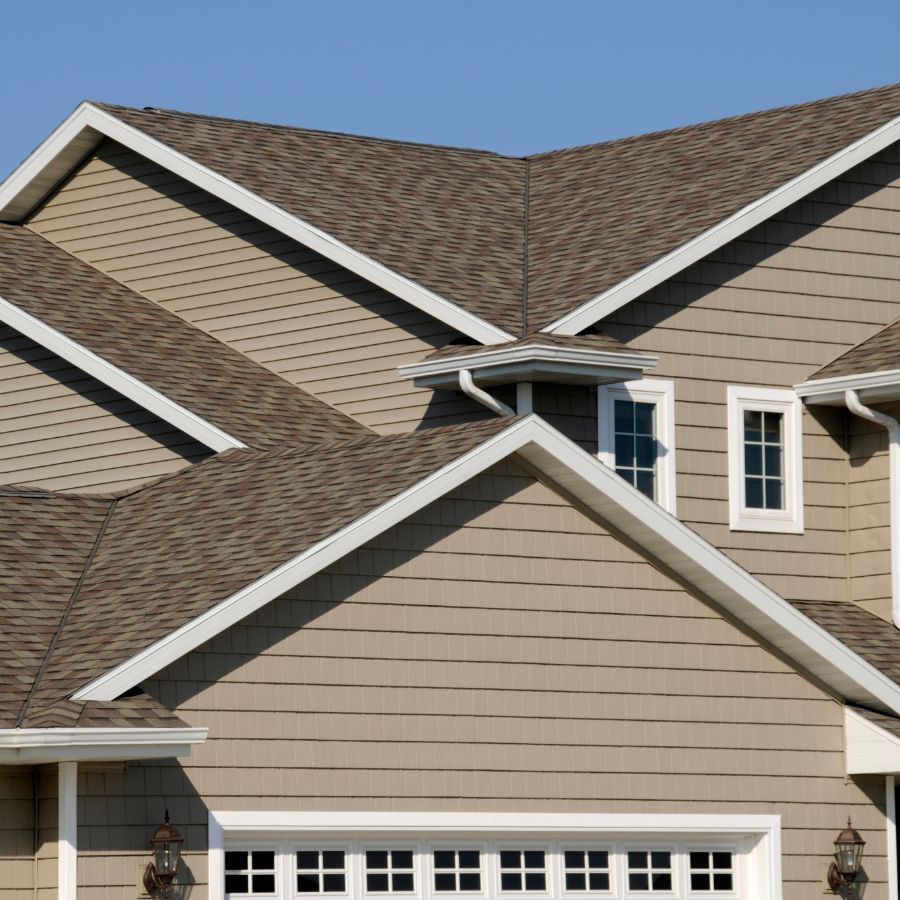
Asphalt shingles are popular due to their affordability but are particularly vulnerable to UV damage. They may curl or crack when exposed to excessive sunlight over time.
Metal Roofs
While metal roofs are more durable against UV rays, they can still experience fading and corrosion if not properly treated.
Tile Roofs
Clay or concrete tiles fare better against sun damage but can still be affected by thermal shock—a phenomenon where rapid temperature changes cause cracking.
Signs Your Roof is Suffering From Sun Damage
Visible Wear and Tear
Be proactive! Watch for signs such as:
- Cracked tiles Curling shingles Faded colors
Increased Energy Bills
If your air conditioning bills skyrocket unexpectedly during summer months, it could indicate that your roof's insulation has been compromised due to sun damage.
Maintenance Tips From Panda Roofing & Construction
Regular Inspections Are Key
Scheduling regular inspections with experienced roofing contractors in Gilbert AZ can help you catch sun damage early before it turns into a costly repair.
What Should You Look For During Inspections?
Signs of wear such as cracks or curling. Accumulation of debris that could trap heat. Loose flashings around chimneys or vents.Keeping Your Roof Clean
Debris accumulation can exacerbate sun damage by trapping heat against the roof surface. Regular cleaning helps maintain optimal conditions.
Cleaning Checklist
- Remove leaves and branches. Clean gutters. Inspect for algae or moss growth.
Heat Reflective Coatings: A Smart Investment?
What Are Heat Reflective Coatings?
Heat reflective coatings are specially designed products that reflect sunlight away from your roof, significantly reducing heat absorption and prolonging the lifespan of roofing materials.
Benefits of Applying Heat Reflective Coatings
Lower energy costs Extended roof lifespan Improved indoor comfortChoosing the Right Contractors for Your Needs
When looking for roofing contractors in Gilbert AZ, choose those with experience in handling the impact of Arizona’s climate on roofing systems.
Questions to Ask Potential Contractors
What's your experience with UV-damaged roofs? Do you offer warranties on repairs? Can you provide local references?By asking these questions, you ensure you're working with reputable professionals like Panda Roofing & Construction who understand how best to protect your home from the harsh effects of the Arizona sun.
FAQs
What types of roofing materials last longer in Arizona?
Metal and tile roofs generally last longer than asphalt shingles due to their durability against UV rays and thermal fluctuations.
How often should I have my roof inspected?
It's advisable to have your roof inspected at least once a year and after any major weather events like storms or hail.
Can I apply a reflective coating myself?
While DIY kits are available, it’s recommended to hire professionals for application as they ensure proper installation and effectiveness.
What are some warning signs my roof needs immediate attention?
Look out for sagging areas, leaks inside your home, or significant wear such as missing shingles or tiles.
Is it worth investing in a new roof if mine isn’t leaking yet?
Absolutely! Preventive measures save money long-term versus waiting for costly repairs after severe damage occurs.
How do I choose between different types of roofing materials?
Consider factors such as budget, aesthetic preferences, environmental conditions, and energy efficiency when making your decision.
Conclusion
In conclusion, understanding The Impact of Arizona Sun on Your Roof: Insights from Panda Roofing & Construction is essential for maintaining a robust home structure that withstands our desert climate’s challenges. By recognizing how UV rays affect different materials and implementing proactive maintenance strategies—including regular inspections—you can extend your roof’s lifespan while lowering energy costs. When looking for reliable help with roofing issues in Gilbert AZ, remember that choosing qualified contractors like Panda Roofing & Construction will ultimately lead you toward making informed decisions about protecting one of your most significant investments—your home!
This article serves as a comprehensive guide for homeowners navigating their options regarding roof care under intense sunlight conditions typical in Arizona. Whether it involves preventive maintenance or selecting new materials altogether—knowledge is power!